Central Ontario's lakes and waterways were the homelands and travel routes of Indigenous peoples for thousands of years. Today the region is home to thriving First Nations communities, and some of its most meaningful places are Indigenous ones.
The Williams Treaties First Nations
Much of Central Ontario, from the Kawarthas and Lake Simcoe north into Muskoka and the Haliburton Highlands, is covered by the Williams Treaties of 1923. Seven Anishinaabe First Nations signed them:
- Chippewas of Rama First Nation, near Orillia on Lake Couchiching
- Beausoleil First Nation, on Christian Island in Georgian Bay
- Chippewas of Georgina Island First Nation, on Lake Simcoe
- Curve Lake First Nation, north of Peterborough
- Hiawatha First Nation, on Rice Lake
- Alderville First Nation, near Rice Lake
- Mississaugas of Scugog Island First Nation
The treaties were signed without genuine negotiation and on terms far less favourable than earlier agreements, and the Nations immediately disputed their loss of harvesting rights. After litigation that began in 1992, Canada and Ontario reached a settlement and formally apologized in 2018. It included $1.11 billion in compensation, recognition of treaty harvesting rights, and the right for each Nation to add up to 11,000 acres to its reserve lands.
Further north, around Parry Sound and Georgian Bay, the land falls within the Robinson-Huron Treaty of 1850, signed by Anishinaabe Nations including Wasauksing First Nation near Parry Sound.
Places to learn
Kinomagewapkong, the Teaching Rocks. Inside Petroglyphs Provincial Park northeast of Peterborough is the largest known concentration of Indigenous rock carvings in Canada. Curve Lake First Nation are the site's keepers and run the Learning Place visitor centre. It is a sacred place: photographing the carvings is not permitted, and visitors are asked to stay quiet and respectful.
Whetung Ojibwa Centre, Curve Lake. A long-established gallery and craft centre for Indigenous art, a good place to buy work directly from Indigenous artists.
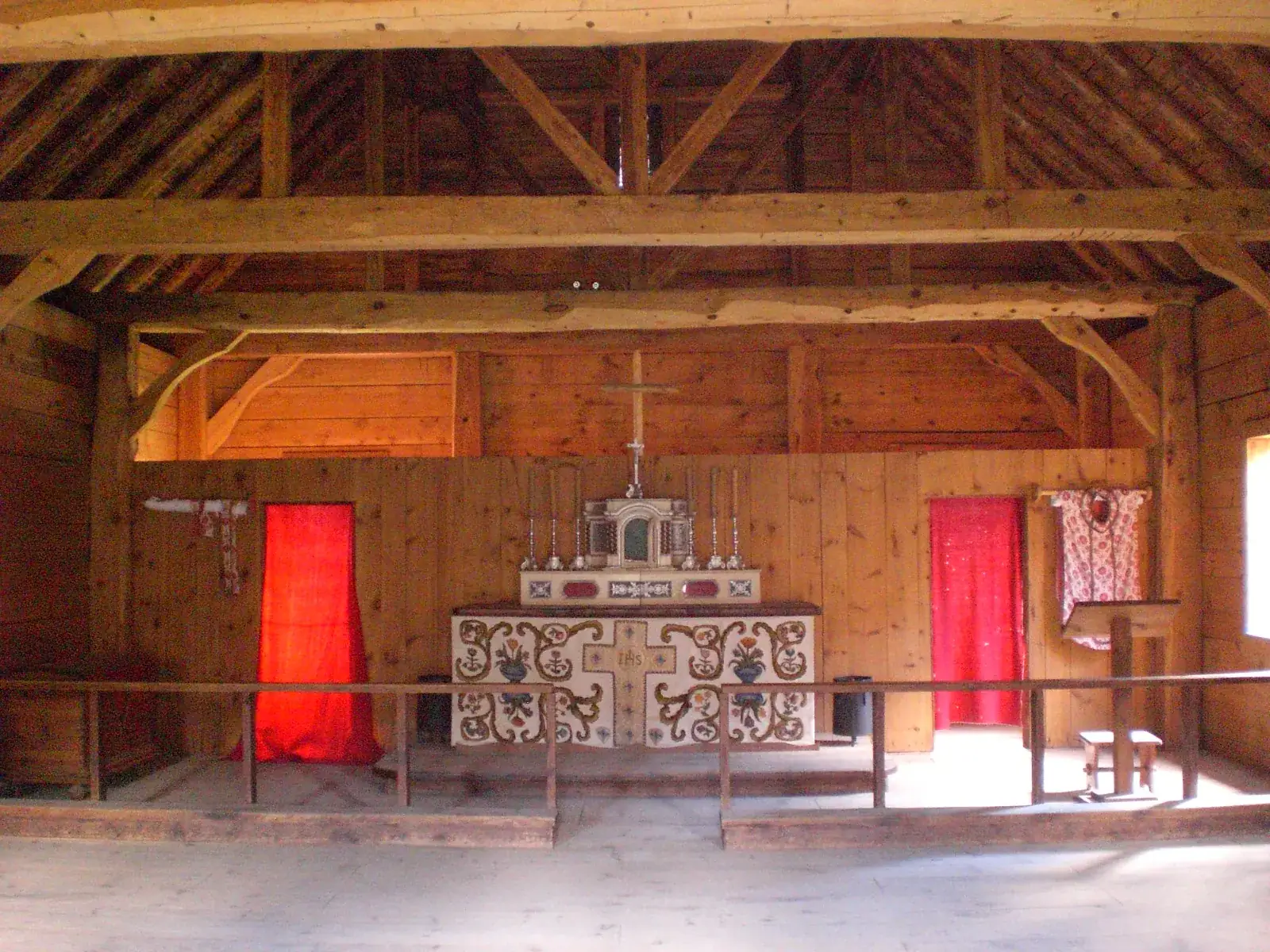
Huronia and the Wendat. Around Midland and Penetanguishene was the homeland of the Wendat (Huron) Confederacy. Sainte-Marie among the Hurons reconstructs the 1639–1649 Jesuit mission, but the larger story is Wendat. The Huron-Wendat Nation continues today, centred at Wendake, Quebec.
Visiting respectfully
- Read and follow site guidance, especially at sacred places.
- Buy from Indigenous-owned businesses and artists.
- Never photograph ceremonies or people without permission.
- Remember that First Nations communities are home to people, not attractions. Visit public businesses and events that welcome visitors.
A land acknowledgement is a beginning. Learning the names of the Nations, and the treaties that shaped this region, is how it becomes meaningful.
This article was prepared from public sources listed below. We welcome corrections and guidance from First Nations and Métis communities and will update it accordingly.